LICENSED & INSURED | ANKENY & THE GREATER DES MOINES METRO
STOP RADON FROM ENTERING YOUR HOME
Certified testing and custom mitigation systems engineered for permanent safety and peace of mind. Ankeny Radon Pro delivers professional installation services throughout Ankeny and Central Iowa. Whether you are buying, selling, or simply protecting your family, we provide precise results you can trust for the long haul.
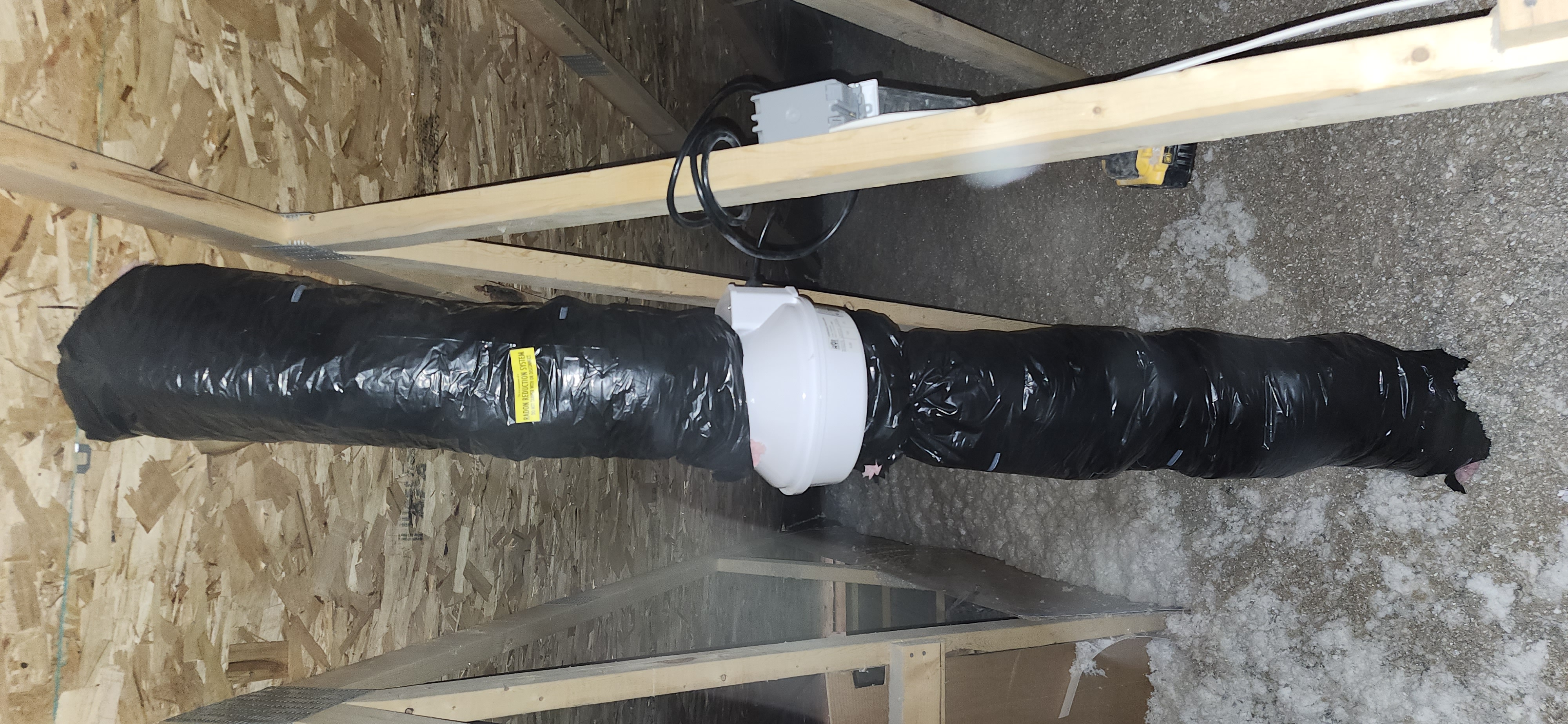
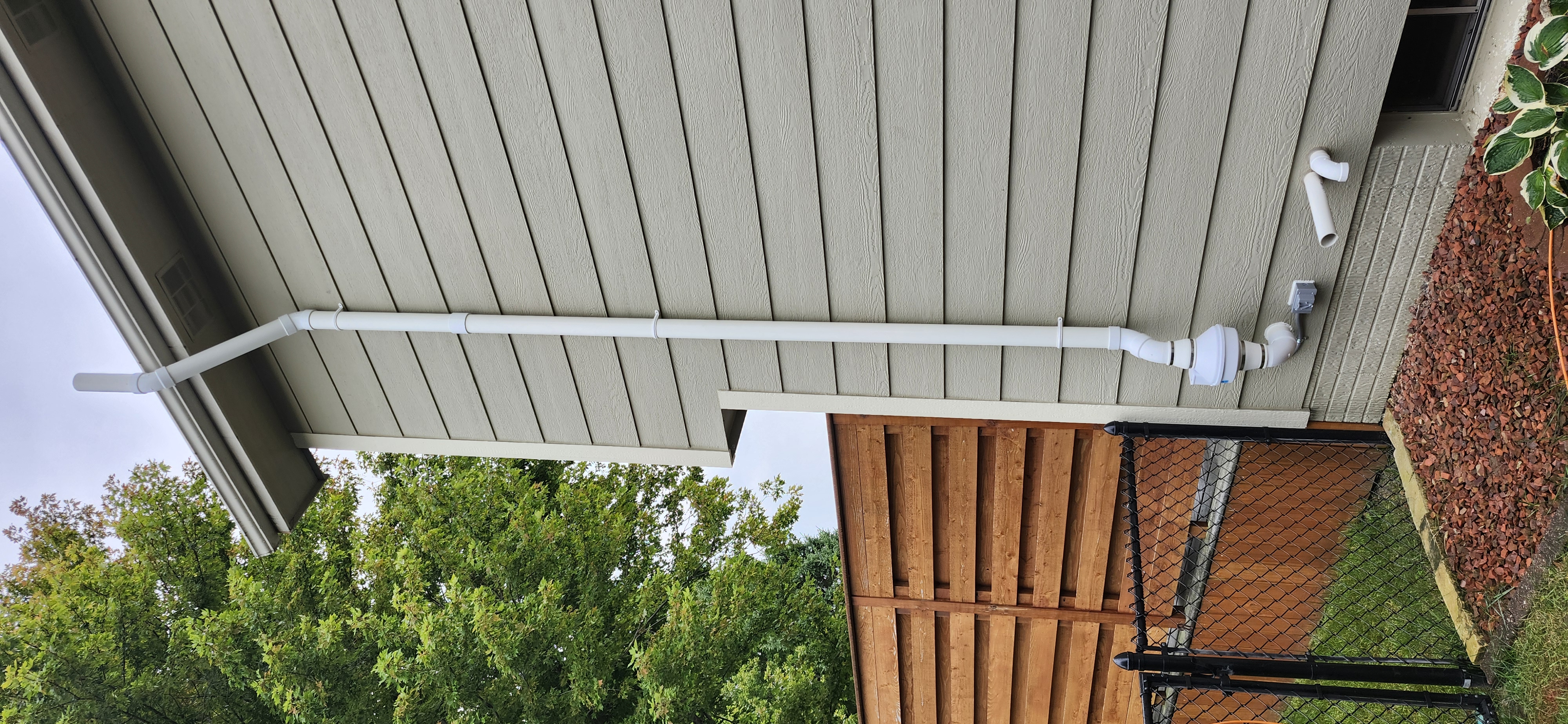
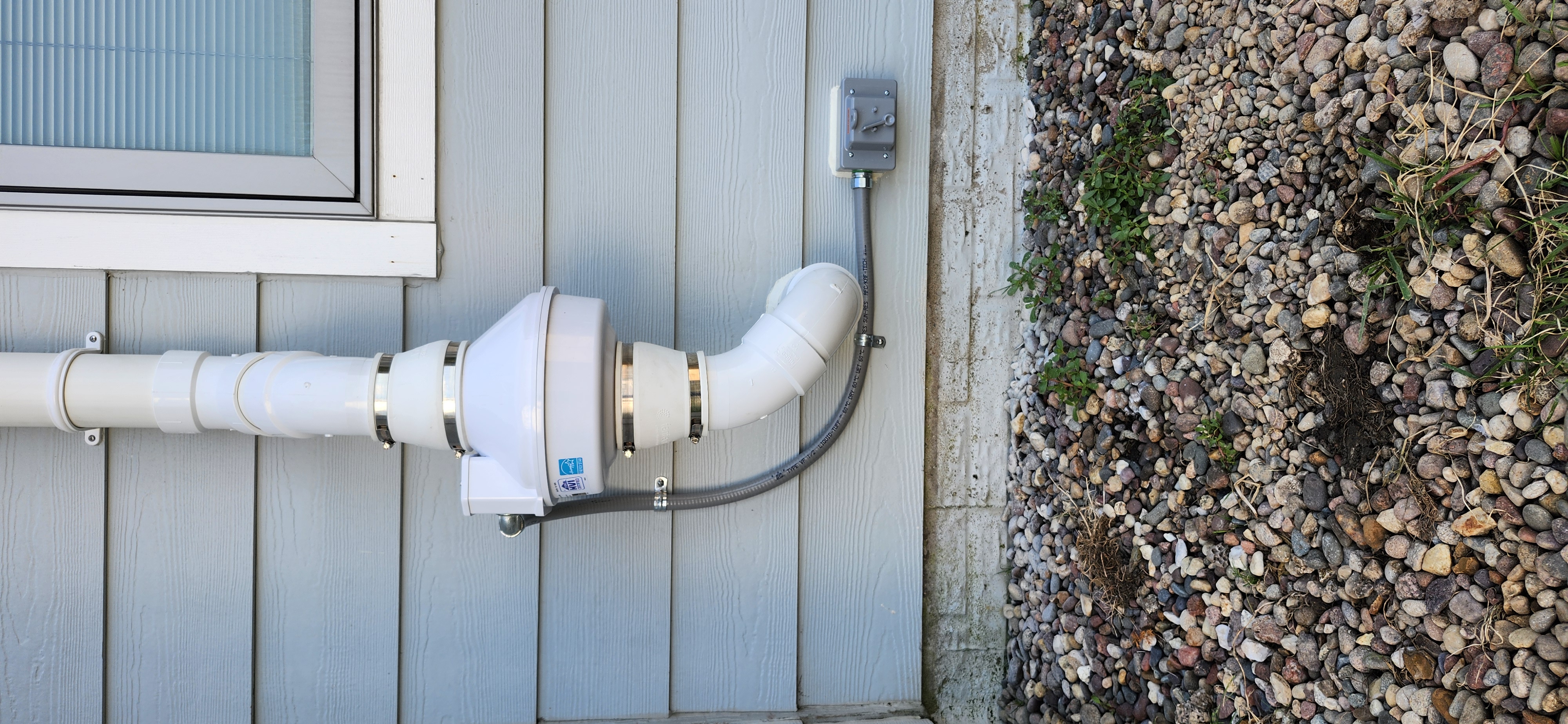
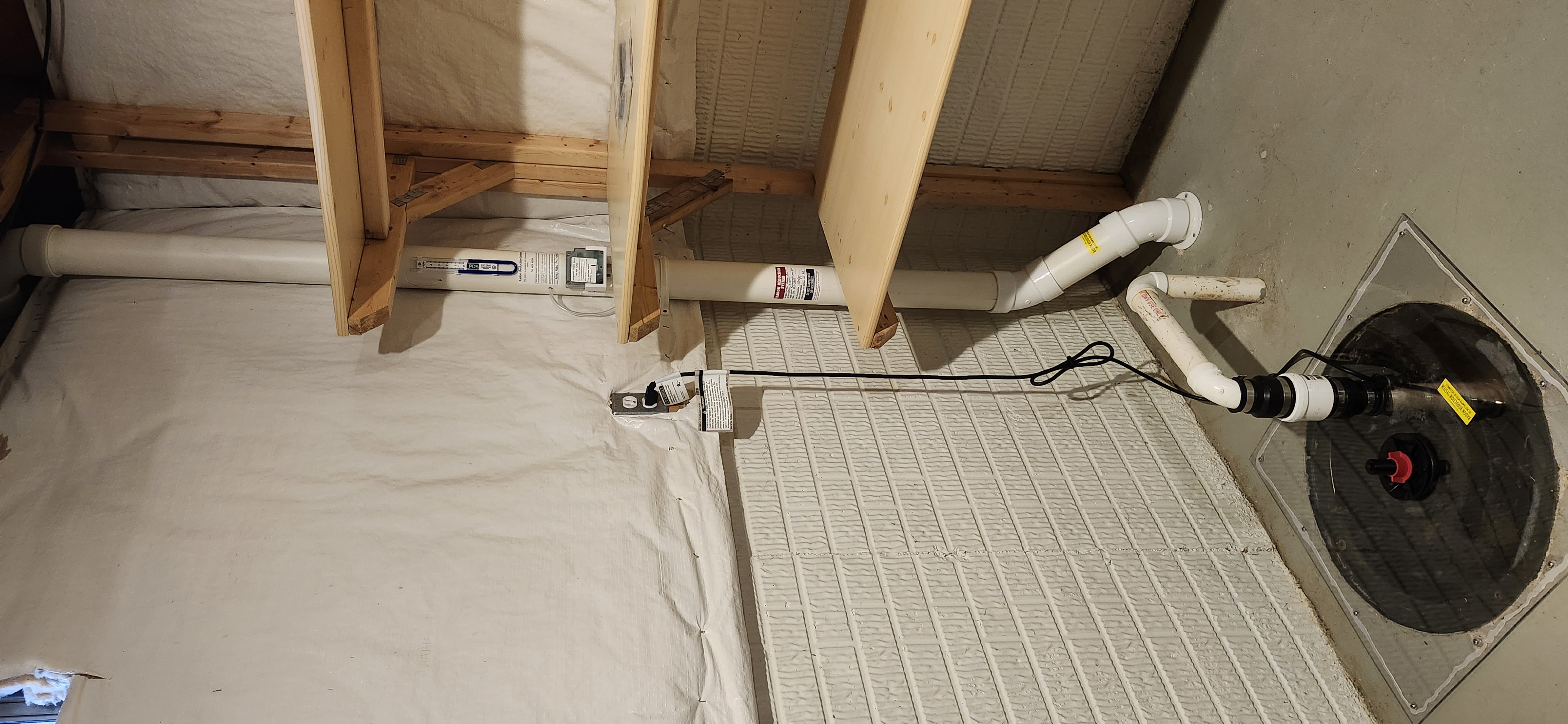
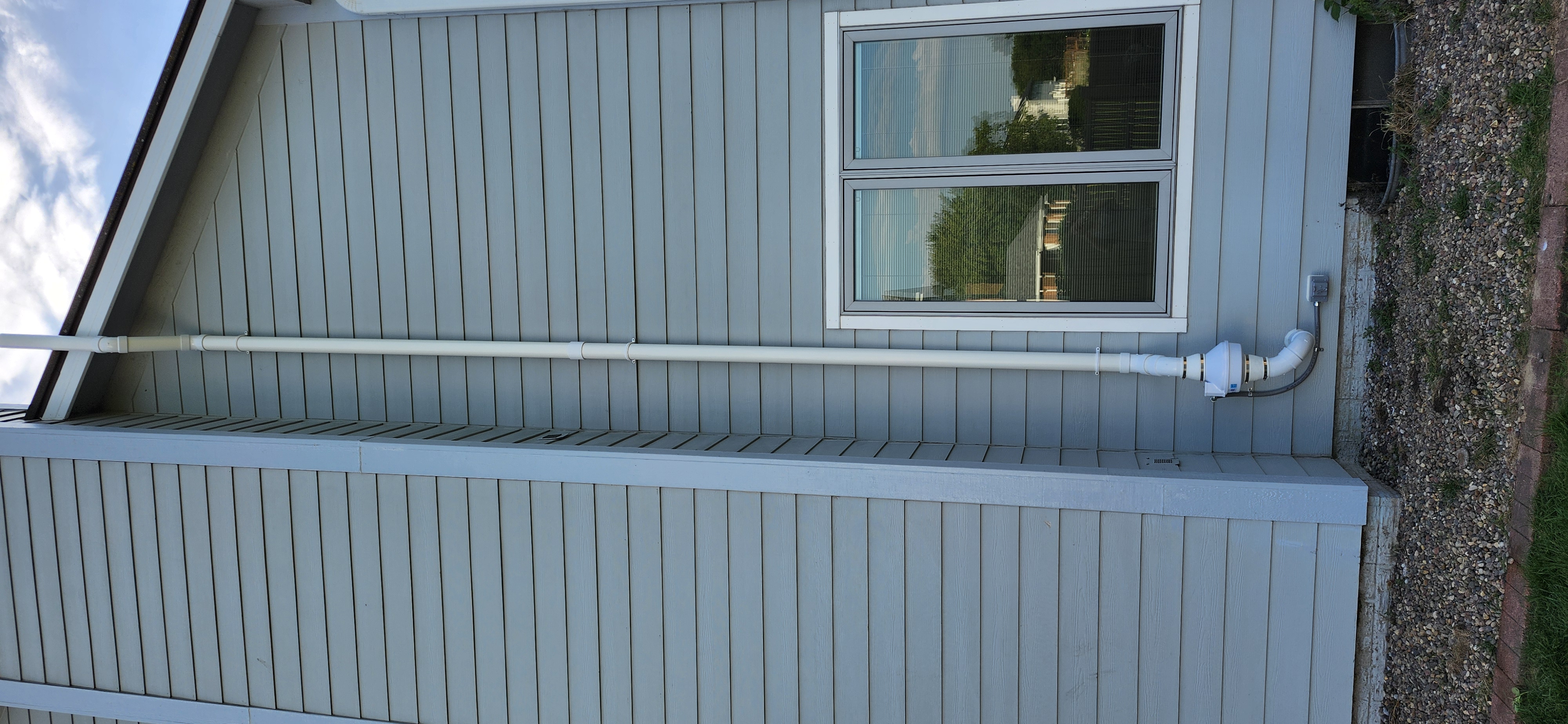
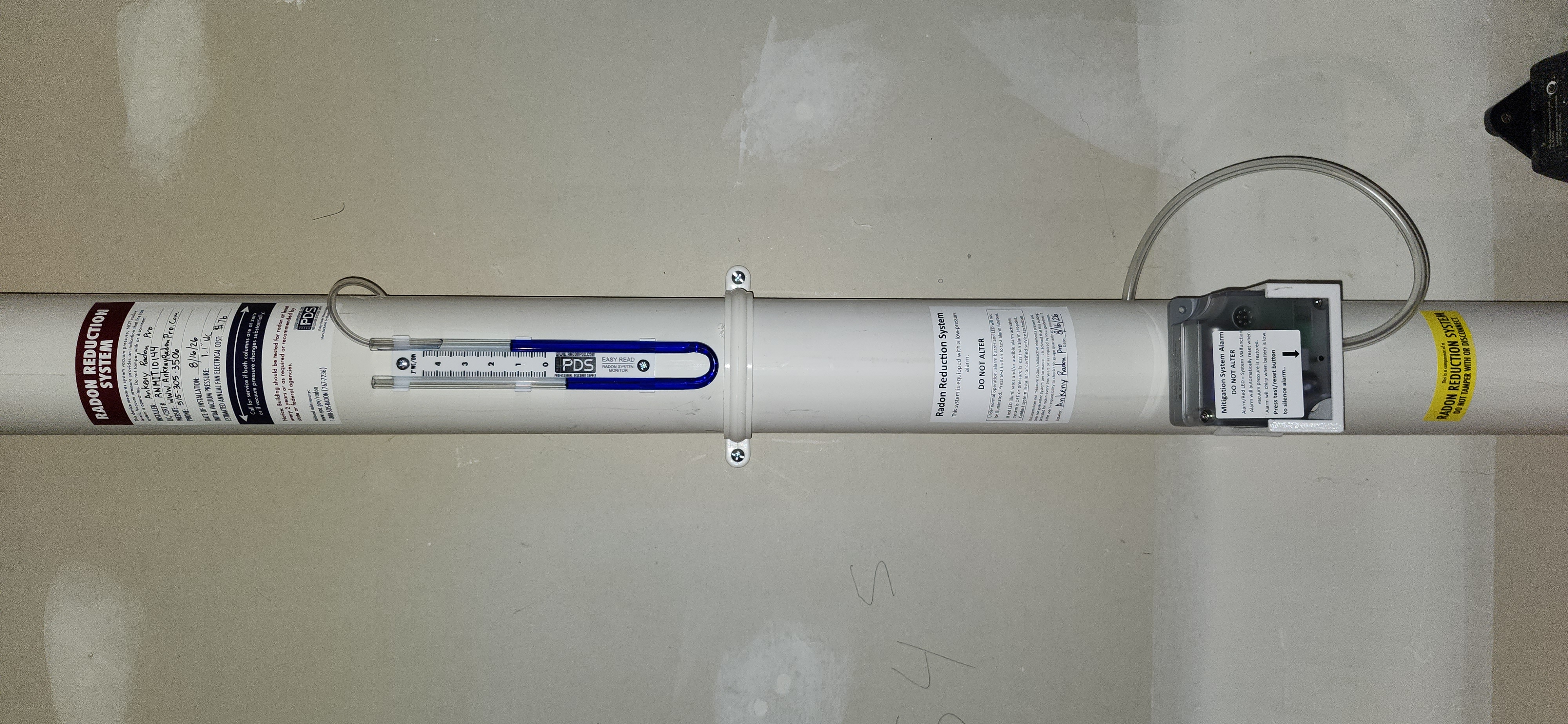
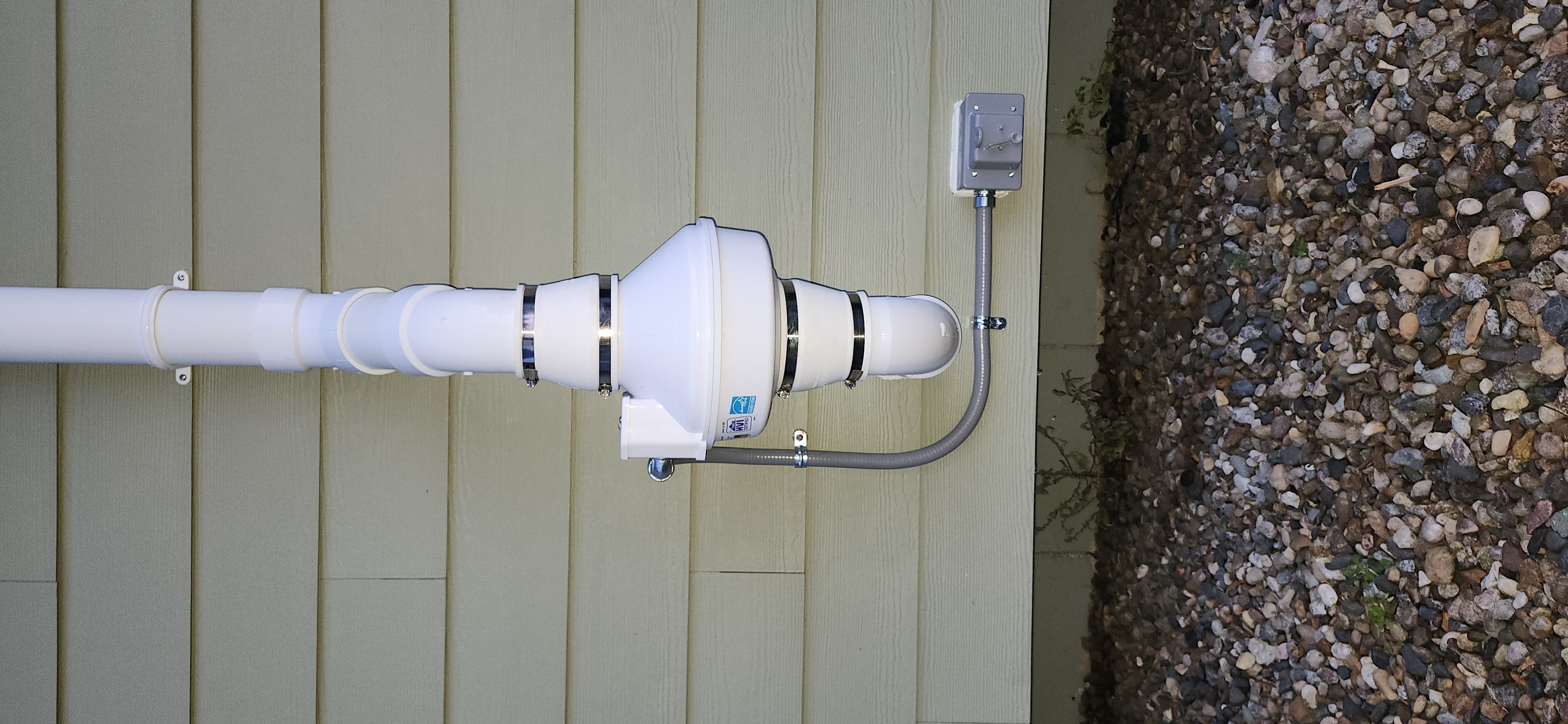
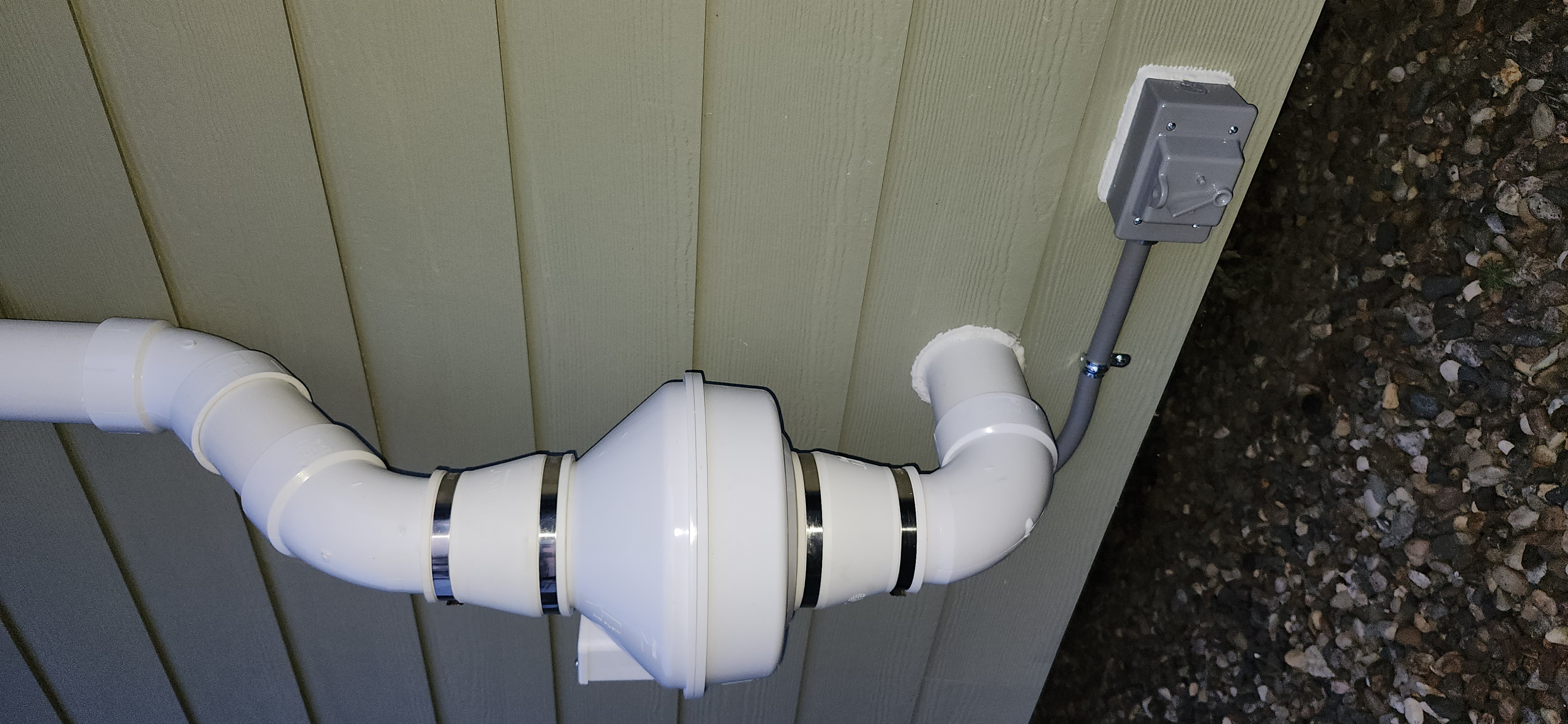
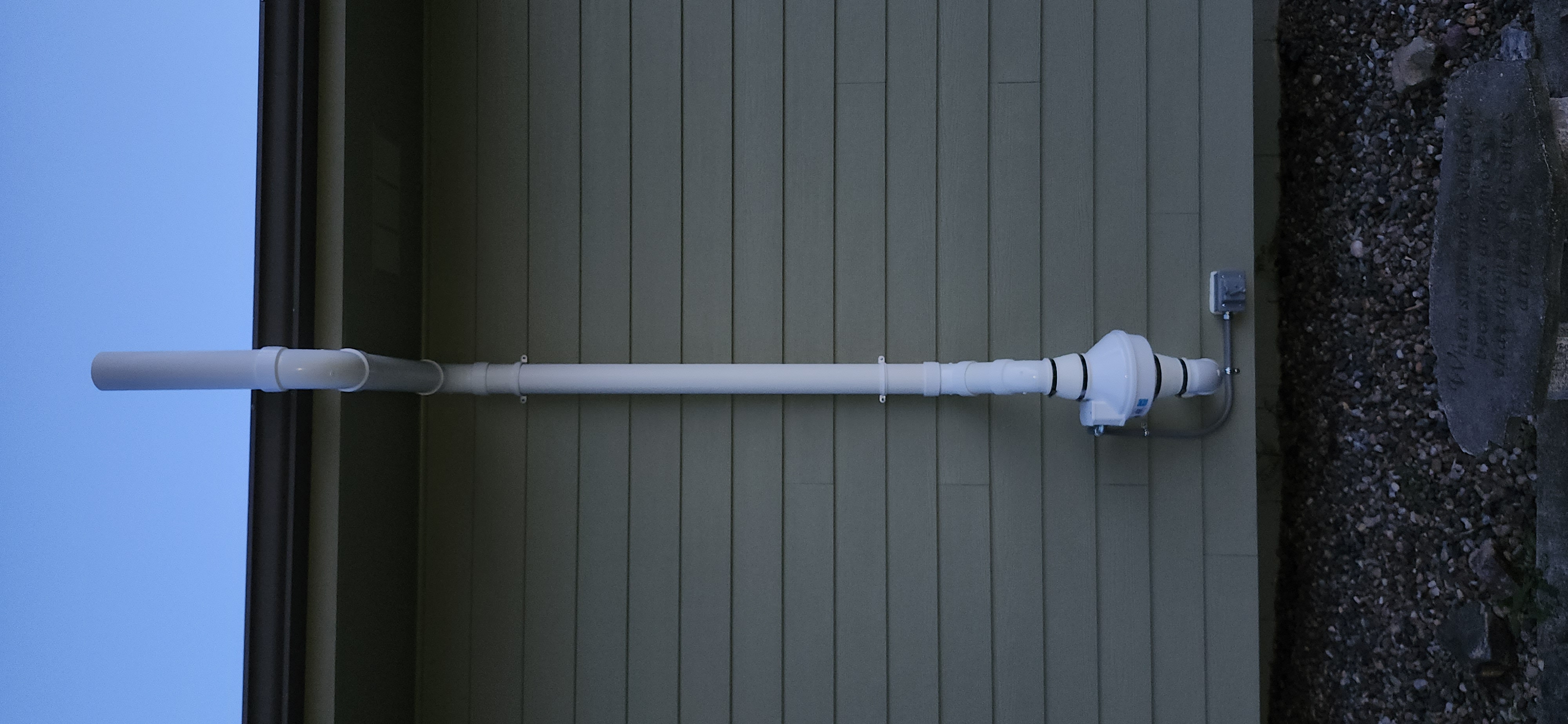
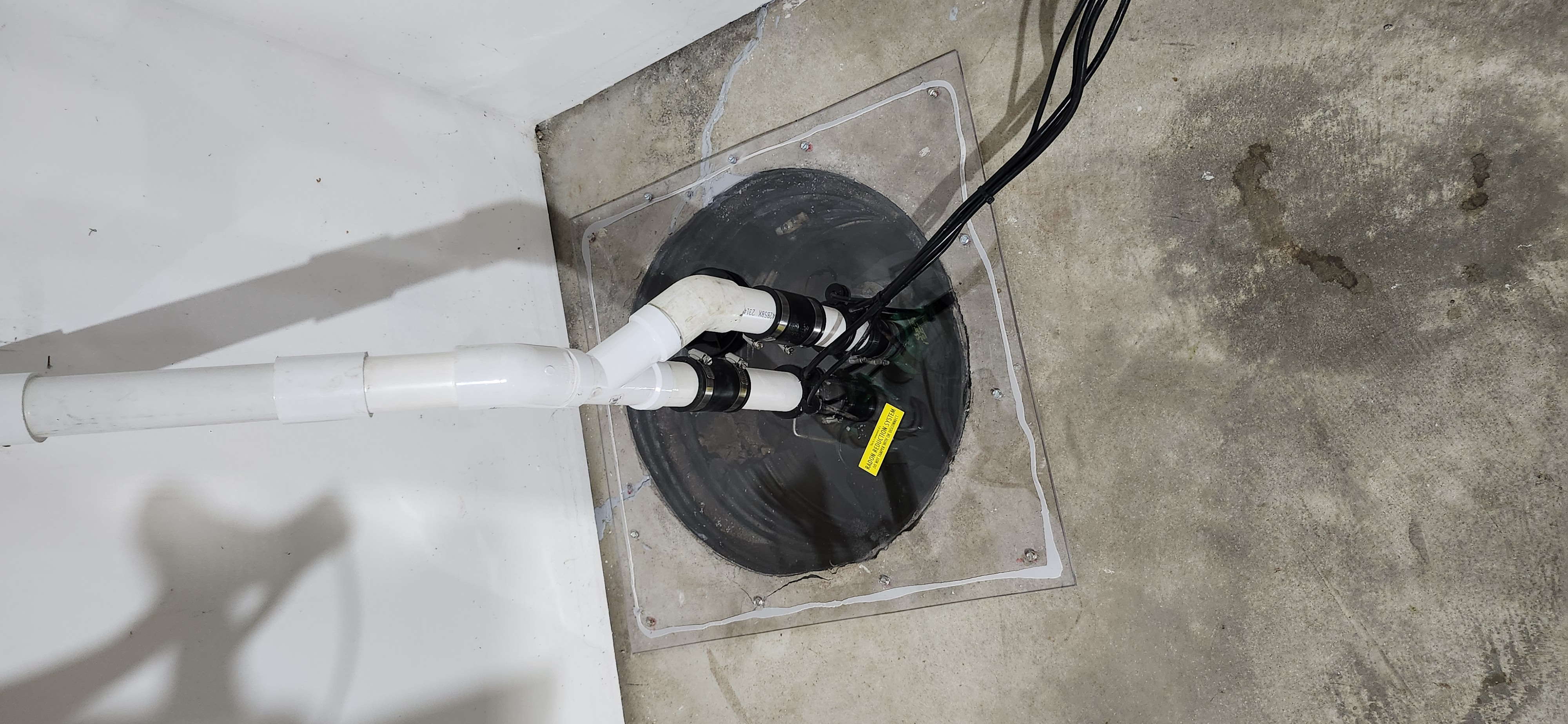
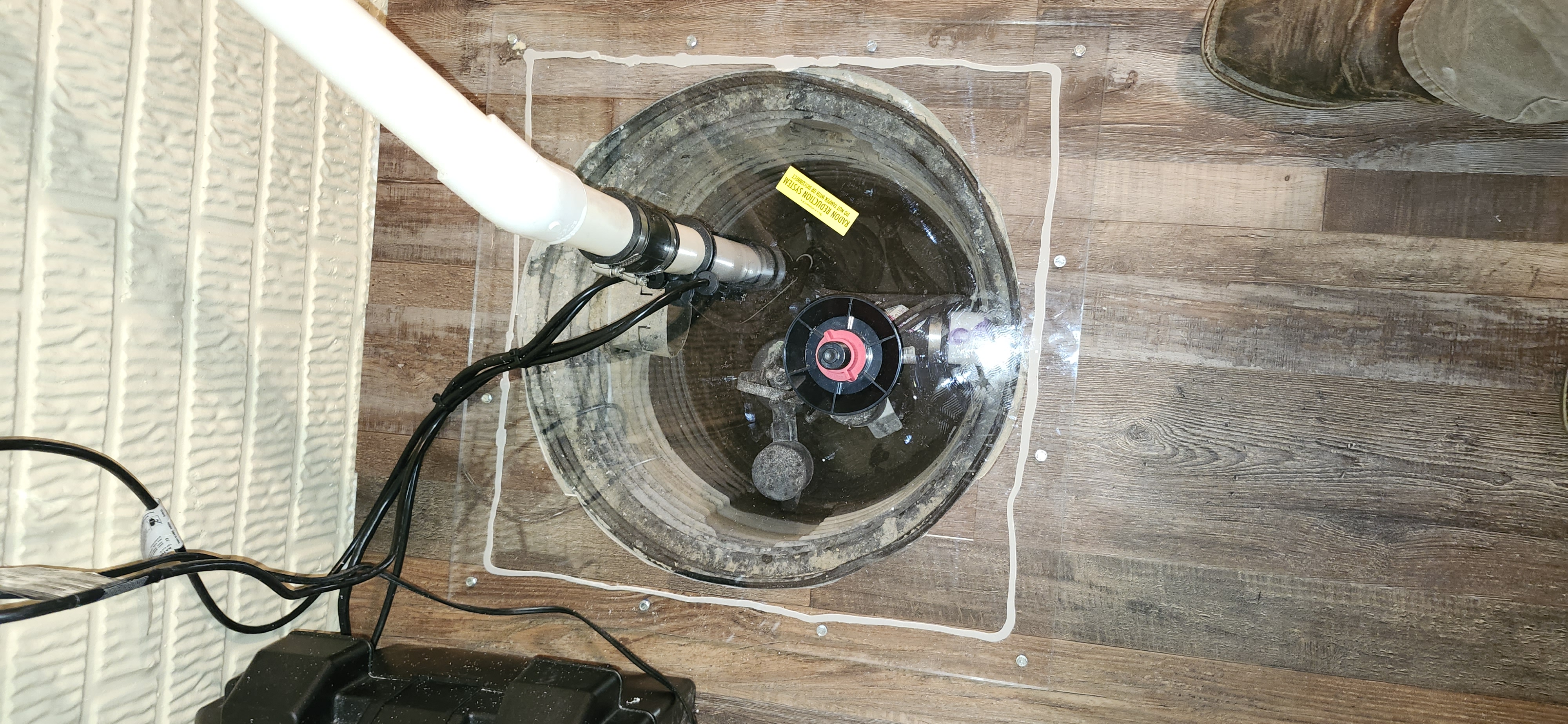
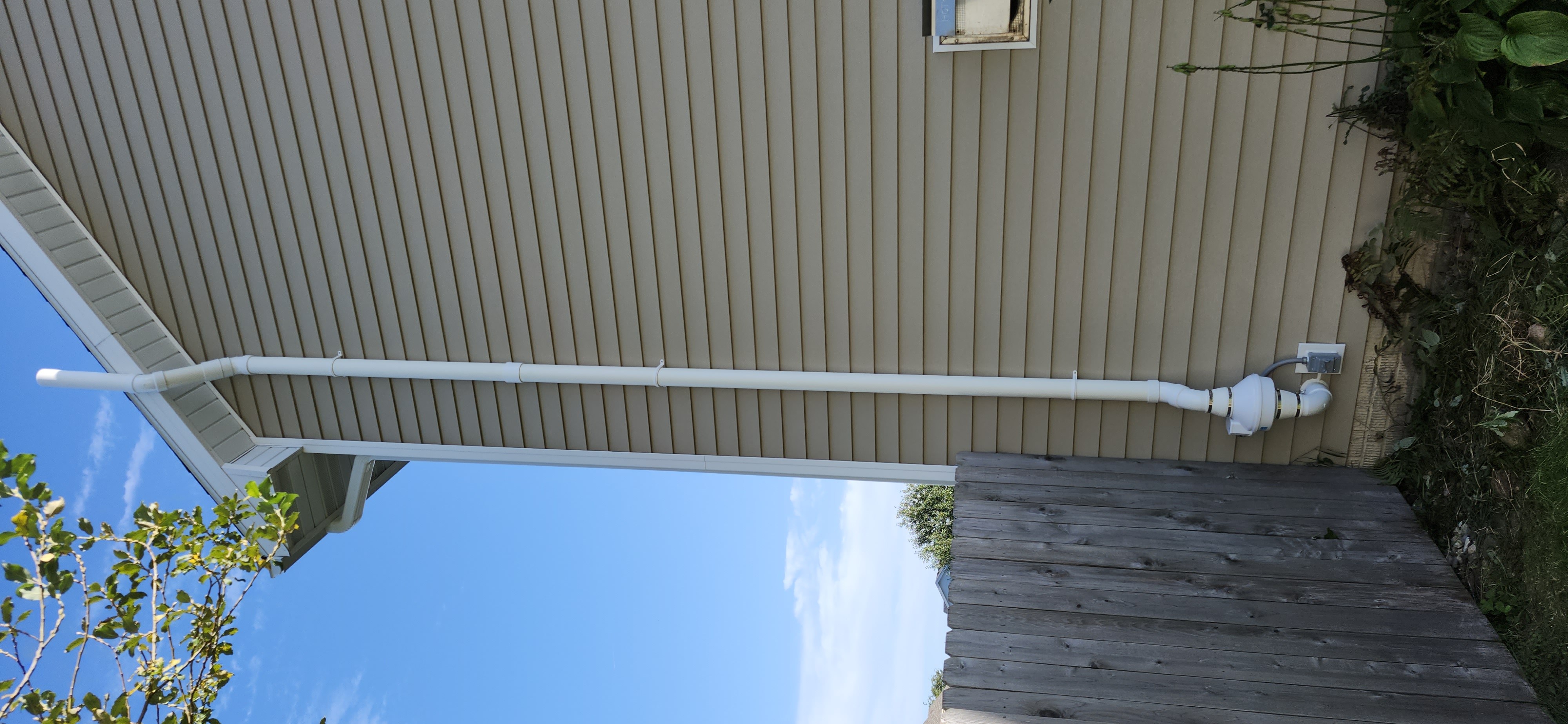
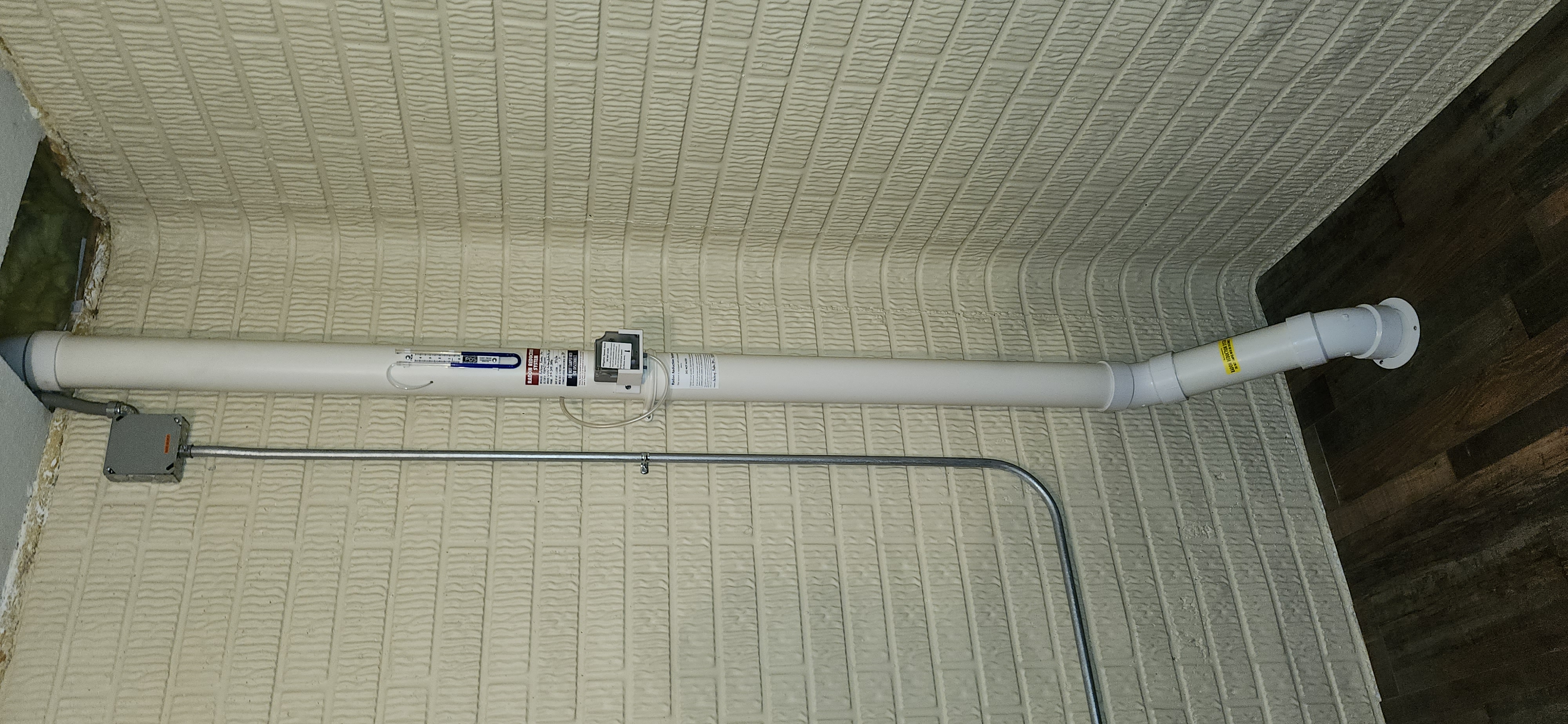
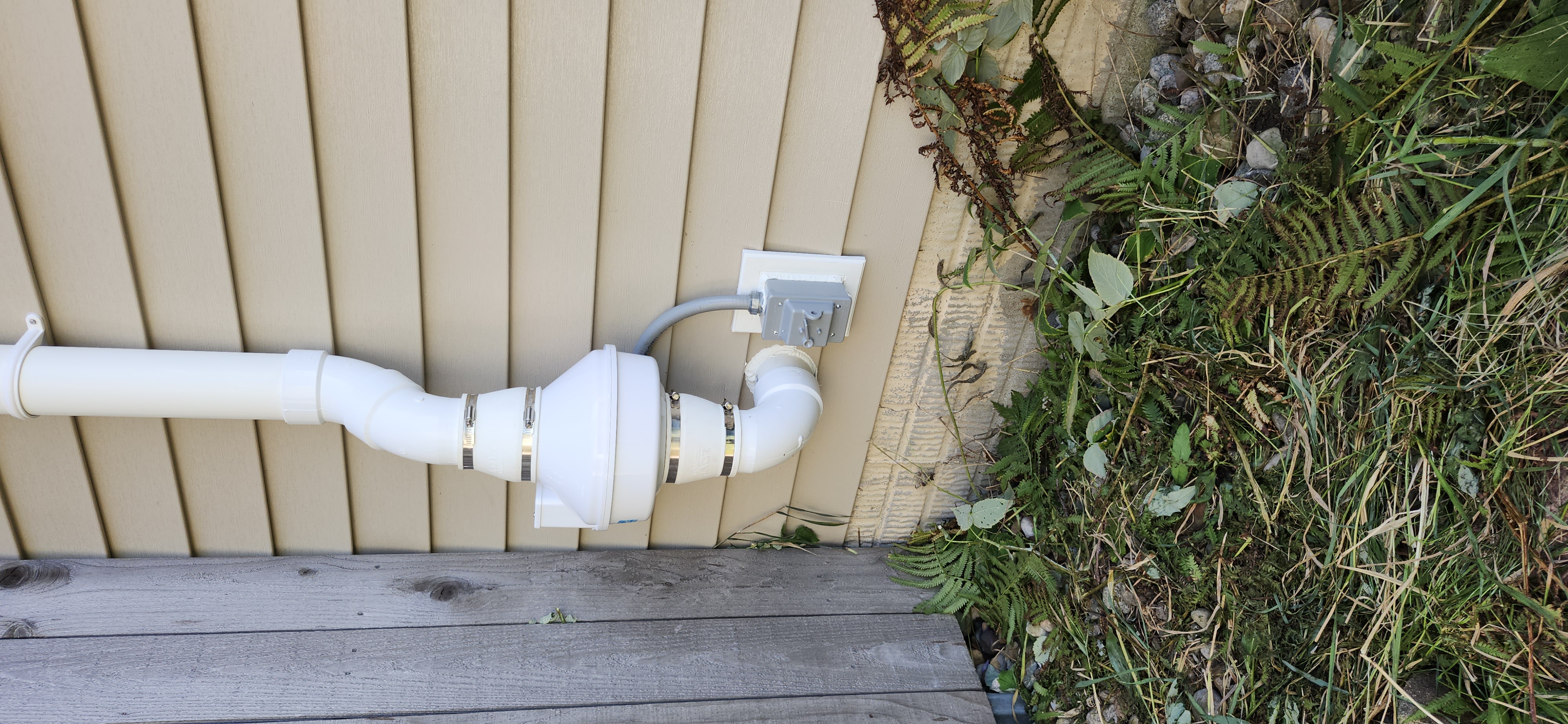
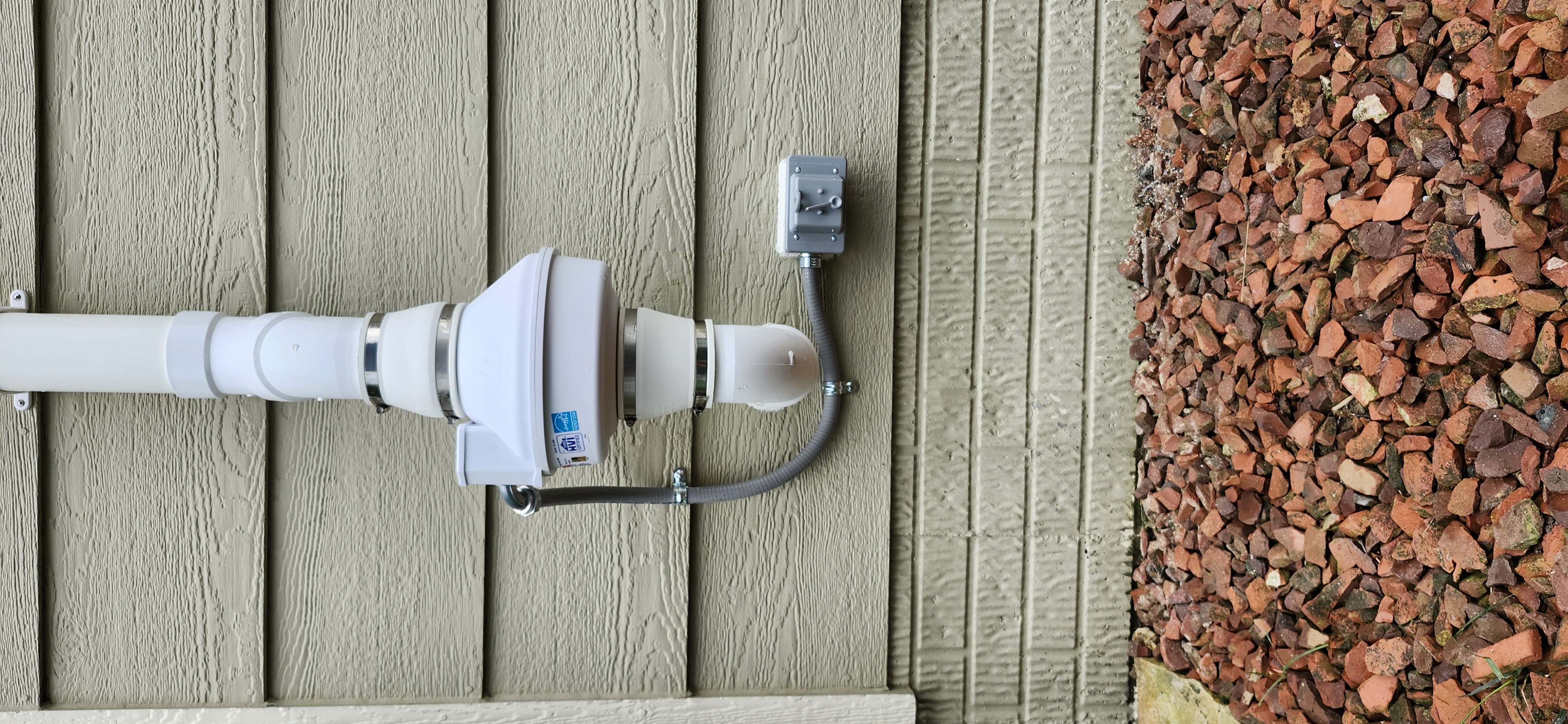
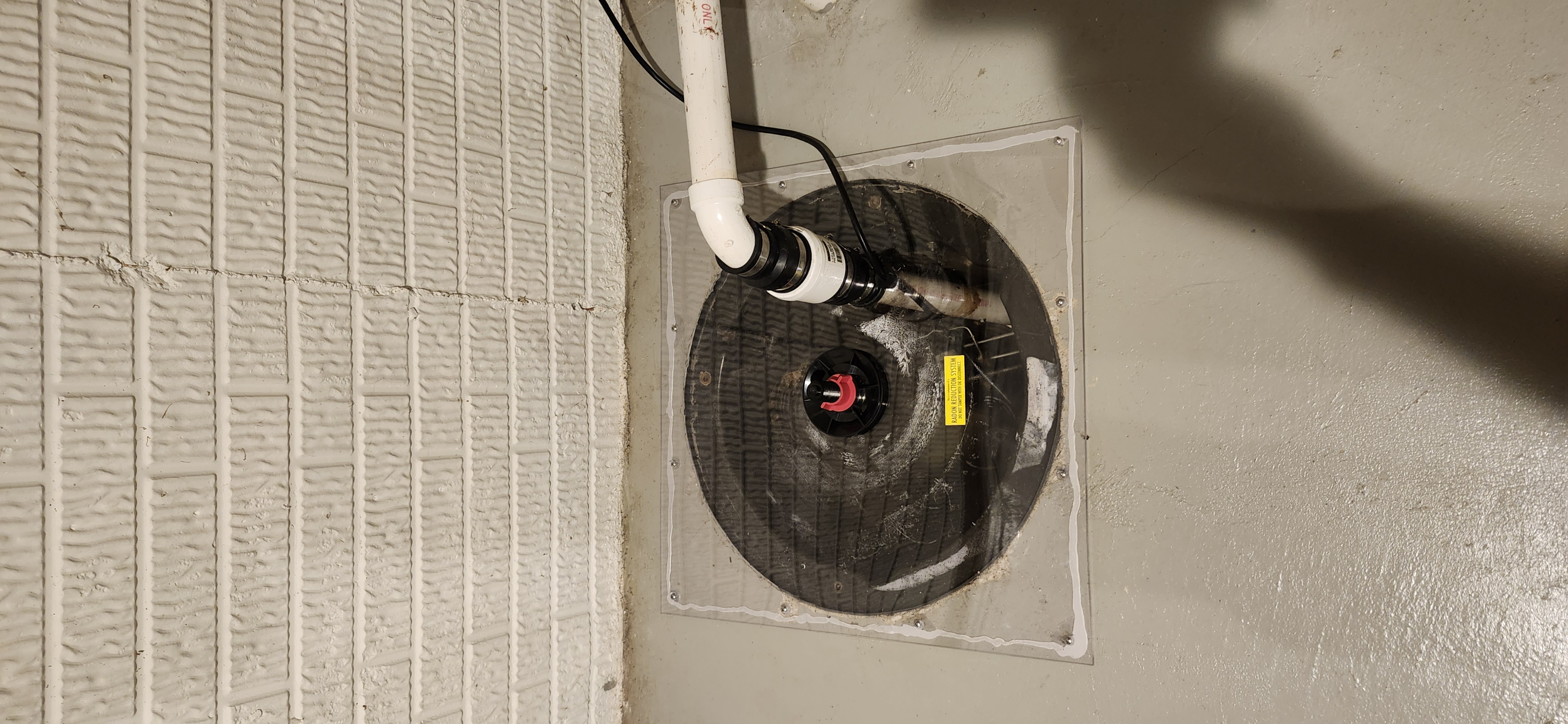
When it comes to protecting your home from radon, installing a mitigation system involves much more than simply punching a hole in the floor and throwing in a standard fan. Every home has a unique foundation, soil density, and sub-slab layout that affects how air moves beneath the concrete. To ensure your system actually works, we perform precise pressure field extension diagnostics, using ultra-sensitive digital pressure instruments to measure how effectively the suction spreads across your entire basement slab. By carefully calculating your home's specific requirements, we select and size the exact fan needed to achieve complete pressure field extension without wasting energy. This sizing process not only guarantees your radon levels stay safely below the EPA action level, but it also prevents over-sizing, which eliminates annoying fan noises, keeps your home quiet, and saves you money on your annual utility bills through optimized, energy-efficient operation.
State of Iowa License Information
Radon Mitigation Specialist # RNMIT10144
Radon Measurement Specialist # RNTST10290
Frequently Asked Questions
What is radon and why should I test for it?
Radon is an odorless, invisible, naturally occurring radioactive gas produced by the breakdown of uranium in soil and rock. It seeps into homes through foundation cracks, sump basins, and construction joints. The EPA and U.S. Surgeon General identify radon as the leading cause of lung cancer among non-smokers. Testing is the only way to know if your home has unsafe levels.
What is considered a "high" or dangerous radon level?
Radon is measured in picocuries per liter of air (pCi/L). The EPA recommends fixing your home if levels test at 4.0 pCi/L or higher. Because there is no completely safe exposure level, mitigation can also be considered for levels between 2.0 and 4.0 pCi/L.
My neighbor’s house tested low—does that mean my home is safe?
No. Radon levels vary widely from house to house, even on the same street or between homes with identical foundations. Factors like foundation depth, soil permeability, and air pressure inside the home mean every structure must be tested individually.
What happens if my home tests high for radon?
High levels are straightforward to fix. An active sub-slab depressurization mitigation system can be installed, using a specialized vent pipe and continuous fan to draw radon out from under your slab and safely release it above the roofline.
How long does it take to install a radon mitigation system?
Most residential active sub-slab mitigation installations are completed in less than a single day, minimizing disruption to your routine or real estate timeline.
I already have a passive radon mitigation system in my home—am I safe from high radon levels?
Not necessarily. A passive radon mitigation system (a vent pipe running from below your slab up through the roof without an electric exhaust fan) relies entirely on natural draft and air pressure differences to pull gas out of the ground. While passive systems reduce radon levels in some homes, they often do not reduce levels enough to fall below the EPA action threshold of 4.0 pCi/L. The only way to know if your passive system is effectively protecting your home is to perform a short-term continuous radon monitor test. If a test shows elevated radon levels, your passive setup can easily be converted into an active mitigation system. An experienced technician can install a specialized inline radon fan on the existing vent pipe, creating continuous negative suction under the slab to safely draw gas away from your living space and vent it above the roofline.
Helpful Consumer Resources
📄 EPA Home Buyer's and Seller's Guide to Radon (PDF) – Essential reading if you are buying, selling, or negotiating real estate repairs.
📄 EPA Consumer's Guide to Radon Reduction (PDF) – Detailed information on how testing works and how mitigation systems protect homes.

Call us
515-305-3506

© Copyright 2026 Ankeny Radon Pro, LLC. All Rights Reserved.